

Organizations are pouring money into AI and getting far less back than they expected. The tool dazzles in the demo and stalls in the operation — the pilot that never scales, the agent no one trusts with real work. A 2025 MIT study put a number on it: roughly 95% of enterprise AI pilots delivered no measurable impact on profit and loss. And the researchers were clear that the failures weren’t about the quality of the models. They were about how organizations adopt, integrate, and govern them.
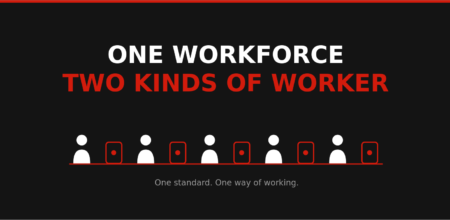
That gap is what this piece is about. Capability is what a technology can do; performance is what an organization actually achieves with it — and almost no one has built the layer in between. I call that missing middle the Performance Layer: the operating system that sits between strategy and technology and turns raw digital capability into results. It isn’t new technology. It’s the same Purpose–Process–People discipline that high-performing organizations have always used to make human teams perform, now extended to a workforce that’s part human and part digital. The article lays out the five components that make it work — shared context across people and agents, governed autonomy, visual daily management for a hybrid workforce, human development and dignity, and continuous problem-solving.
If you’re a senior operations or transformation leader watching AI investment outpace AI results, this is the argument for where the real work lives. The winners of the next decade won’t be the organizations with the best models — those are becoming a commodity. They’ll be the ones that build the operating layer to absorb digital labor into the team without losing control, quality, or their people.
Click below to book a no-fee consultation and start your journey with UP.
We’ll connect to discuss your organization’s challenges and opportunities, exploring tailored approaches to achieve your desired outcomes.
We align on resources and focus areas to kick off your journey. Together, we’ll drive impactful change.

 6 min
6 min