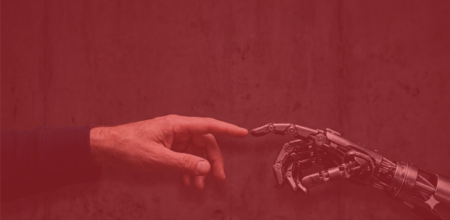

We invest in technology, training, and the latest collaboration tools, and still feel stuck — organizations full of potential that somehow isn’t showing up in results. I open this piece with an old grandfather clock that had stopped chiming. I could clean and oil each gear and it stayed silent, because I was focused on the parts, not the system. Our organizations are often the same: we add shiny new initiatives to an operating model that’s fundamentally outdated, and wonder why performance doesn’t move.
The argument here is that the real engine of dynamic agility isn’t technology — it’s high-performing teams, and the discipline of agile teaming that makes them work. The 20th-century management model we inherited from the industrial age was built for control and efficiency in a stable world. Today’s work is knowledge-based, our people expect autonomy and meaning, and the environment demands constant adaptation. That old operating model has become a handbrake. The piece lays out the shift in mindset required and the three core capabilities — strategy planning and management, managing and improving work and processes, and leading and developing people — that turn hoped-for teamwork into a system built for sustained high performance.
If you’re a senior leader who’s invested in the tools and the training but still senses unrealized potential in your teams, this is the case for where that potential is actually trapped — and how to release it. It’s less about adding another program and more about rewiring how your teams work.
Click below to book a no-fee consultation and start your journey with UP.
We’ll connect to discuss your organization’s challenges and opportunities, exploring tailored approaches to achieve your desired outcomes.
We align on resources and focus areas to kick off your journey. Together, we’ll drive impactful change.

 6 min
6 min