
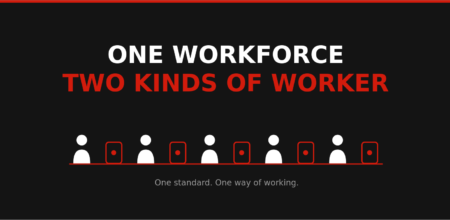
Sometime in the last eighteen months, most organizations took on a new kind of worker. There was no requisition and no first day. The agents arrived one team at a time, and they are now doing real work inside real processes. Almost nobody has asked about them the question they would ask about any other new worker: how do we know when they are good, and who is responsible for making them better?
That gap is what this piece is about. In 1999, Steven Spear and Kent Bowen explained why Toyota’s practices spread across the industrial world while Toyota’s results did not. Observers copied the tools and missed the system underneath. We are doing it again with agents, faster and with a larger budget. The article works through the three things that decide whether a digital worker performs: the setup we give it, the way work passes back and forth between the agent and us, and what we ourselves become. It covers writing down what good looks like before the work starts, designing escalation that actually gets used, four levels of earned autonomy and how to decide where to set the dial, and the four places where developing an agent is genuinely not like developing a person.
If you are a senior operations or transformation leader deciding how much rope to give your agents, this is the argument for where the real work lives. The tools will converge, they always do. What will separate companies is whether they already knew how to set a clear standard, make problems visible the moment they occur, go and see the actual work, and grow capability by teaching rather than inspecting. If you do not have that for your people, you will not suddenly have it for your agents.
Click below to book a no-fee consultation and start your journey with UP.
We’ll connect to discuss your organization’s challenges and opportunities, exploring tailored approaches to achieve your desired outcomes.
We align on resources and focus areas to kick off your journey. Together, we’ll drive impactful change.

 6 min
6 min